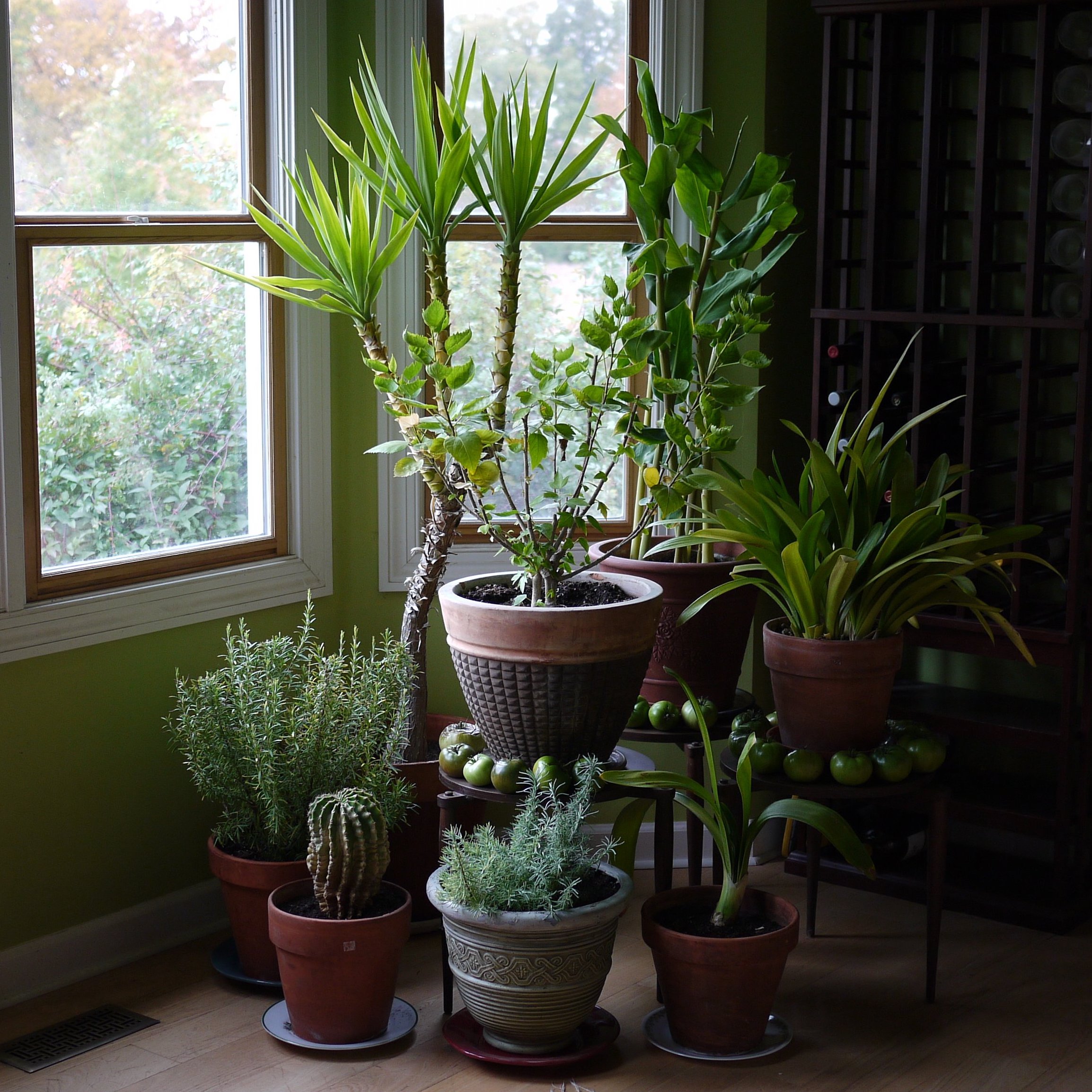
The Winter Light Problem
Budapest gets roughly 8 hours of daylight in December, and most of it is filtered through cloud cover. If your apartment faces north or has small windows, the light reaching your plants can be surprisingly weak. I measured the light levels in my living room during January using a simple lux meter app, and some corners barely registered 200 lux, well below what most houseplants need.
Central heating makes things worse. Hungarian apartments are typically heated to 22-24 degrees Celsius, which keeps us comfortable but dries the air dramatically. Many tropical plants that love warmth struggle not because of temperature but because the humidity drops to 20-30 percent indoors.
Proven Low-Light Survivors
After three winters of experimenting, these are the plants that consistently looked healthy from November through March in my Budapest apartment:
- Pothos (Epipremnum aureum) - The single best beginner indoor plant. Mine sits on a bookshelf three metres from a north-facing window and still puts out new leaves in winter. It tolerates irregular watering, low light, and dry air. I have propagated it into six pots from one original plant.
- ZZ Plant (Zamioculcas zamiifolia) - This plant seems to thrive on neglect. I water mine once every three weeks in winter and it shows no signs of stress. The thick, waxy leaves look sculptural and hold up in very low light. Available at most IKEA and Praktiker stores in Budapest.
- Snake Plant (Sansevieria trifasciata) - Another virtually indestructible option. It handles low light, dry air, and inconsistent watering without complaint. The upright growth pattern makes it useful for narrow spaces between furniture.
- Peace Lily (Spathiphyllum) - One of the few low-light plants that flowers indoors. Mine blooms even in late winter. It does prefer slightly more moisture than the others on this list, so I water it weekly year-round.
- Cast Iron Plant (Aspidistra elatior) - Named for its toughness. It grows slowly but reliably in dark corners. I have seen these thriving in the stairwells of old Budapest apartment buildings where they get almost no direct light at all.
Plants That Struggled
For honesty, here are plants I tried that did not make it through a Hungarian winter in my apartment:
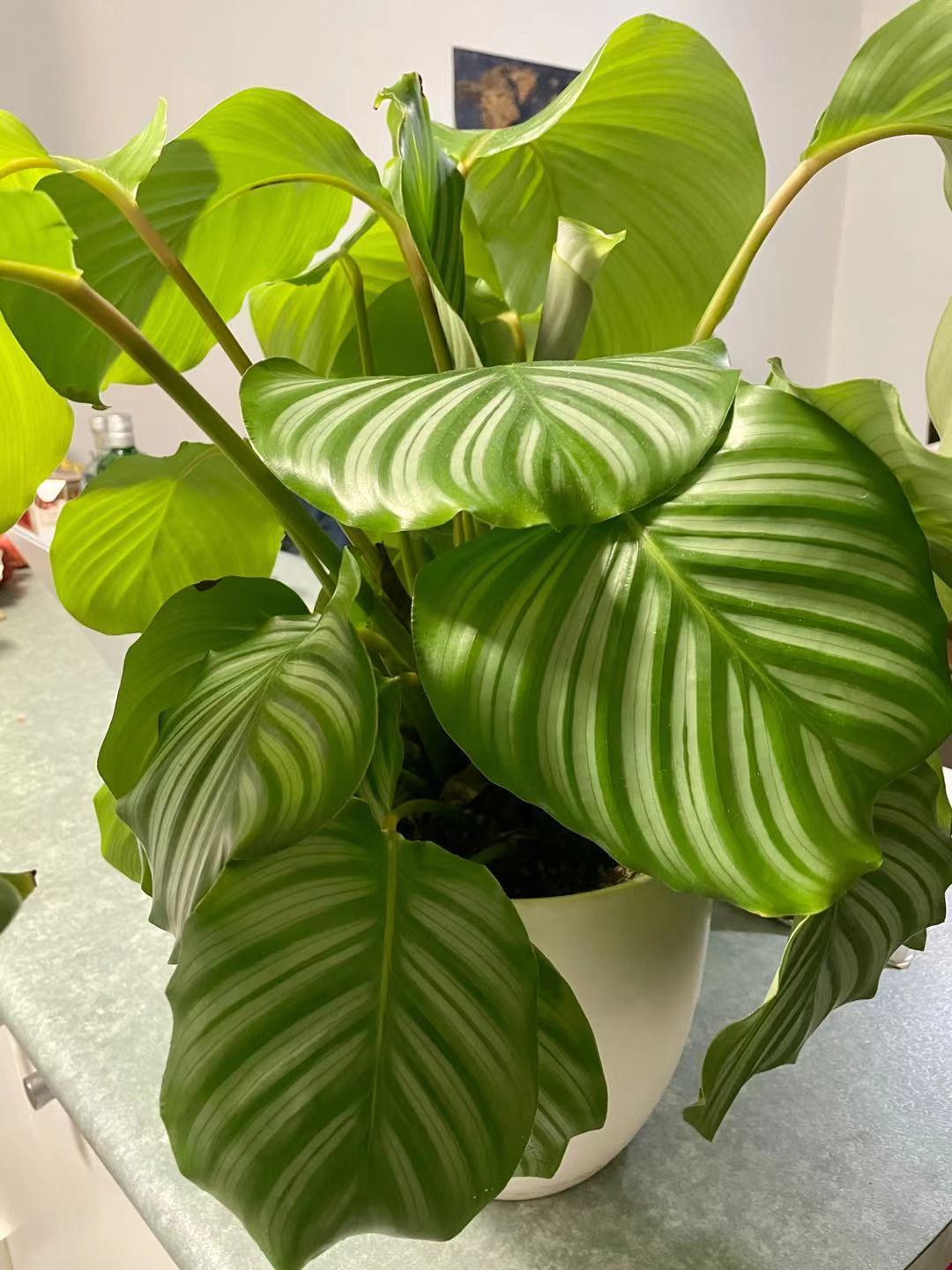
- Calathea varieties - Beautiful but extremely sensitive to dry air. Despite daily misting and a humidifier, the leaf edges turned brown and crispy by January. They need 50 percent humidity minimum, which is hard to maintain.
- Fiddle Leaf Fig (Ficus lyrata) - Dropped nearly all its leaves within six weeks of heating season starting. It seems to dislike the combination of dry air and temperature fluctuations near windows.
- String of Pearls (Senecio rowleyanus) - Needs more light than a Hungarian winter provides. Mine stretched and became leggy, then rotted from overwatering in dim conditions.
Humidity Solutions That Work
Since dry air is the main indoor problem during Hungarian winters, I have tested several approaches to raising humidity around my plants:
Pebble trays are the simplest solution. I place a tray filled with pebbles and water under each plant. As the water evaporates, it creates a small zone of higher humidity right where the plant needs it. This raised the humidity around my plants from 25 to about 40 percent.
Grouping plants together also helps. Plants release moisture through transpiration, and when you cluster them, they create a shared microclimate. I keep my tropical plants on a single shelf rather than spreading them across different rooms.
A small ultrasonic humidifier aimed at the plant shelf made the biggest difference. It maintains 45-50 percent humidity in a radius of about one metre. I run it on a timer during the day and refill it every two days. The unit cost around 8,000 HUF at Alza.hu.
Winter Watering Adjustments
The most common mistake in winter plant care is overwatering. Plants grow slowly in low light, so they use less water. Soggy soil combined with cool windowsill temperatures is a recipe for root rot.
My winter rule is simple: wait until the top two centimetres of soil are dry before watering. For my ZZ plant and snake plants, that means watering every three to four weeks. For pothos and peace lilies, roughly every 10 days. I always check with my finger rather than following a fixed schedule, because heating patterns and weather affect how quickly the soil dries.